Recording Studio Hire London: What It Really Costs in 2026
Nobody publishes honest recording studio prices in London. You search for a studio, you find a beautiful website with a photo of a mixing desk, and then you find the words "contact us for rates". Three emails later you discover the room is £450 a day, the engineer is extra, setup time is billable, and the mix is quoted separately. By then you have lost a week.
This guide fixes that. It sets out what recording studio hire actually costs in London in 2026, across every tier of the market, including the costs that are real but rarely quoted upfront. It explains how many hours a given job genuinely takes, so you can build a budget before you speak to anyone. And it is written by a studio that publishes its rate on the page, so you can judge the rest of the market against a number you can actually see.
The short answer: London recording studio prices in 2026
Recording studio hire in London runs from roughly £20 per hour at the budget end to £1,500 a day or more at the top of the commercial market. Most independent artists end up somewhere in the £35 to £75 per hour band. The single biggest factor in the price is not the size of the room or the brand of the microphone. It is whether a human being is being paid to sit behind the desk while you work.
Here is the market, broken into the four tiers you will actually encounter:
TierTypical London priceWhat you getWho it suitsSelf-operated hourly room£20 to £60 per hourA treated room with an interface, monitors, a mic and usually MIDI. You run the session yourself on your own laptop.Artists who produce, writers working to beats, podcasters, DJs, anyone iteratingEngineer-led hourly£35 to £75 per hour, engineer includedSame sort of room with an engineer tracking you. Usually a three or four hour minimum.Vocalists who do not engineer, first-time recorders, rap and vocal sessionsMid-tier commercial day rate£250 to £500 per dayA proper live room plus control room, engineer, usually eight to ten hours, some outboard gear.Bands tracking live, funded EPs, label-backed sessionsHigh-end commercial£600 to £1,500+ per dayLarge tracking rooms, legacy consoles, assistants, in-house tech, often multi-day lockouts.Major label albums, film and TV scoring, orchestral sessions
Two things jump out of that table. First, the gap between tier one and tier four is roughly fifty-fold, which tells you how much of a studio's price is the people and the real estate rather than the recording quality. Second, the cheapest tier is not the worst tier. A self-operated room with a modern interface and accurate monitors will capture a vocal that is technically indistinguishable from one tracked in a £900-a-day facility. What you are buying at the higher tiers is the live room, the outboard character, and somebody else's expertise.
For most independent artists in 2026, the honest answer is that a self-operated room plus a separately hired mix engineer produces better records for less money than a mid-tier day rate with a house engineer attached. More on that below.
What actually drives the price up
If you understand the six cost drivers, you can read any studio's quote and work out instantly whether it is fair.
1. The engineer. This is usually more than half the bill. A London engineer's time runs roughly £25 to £50 an hour, or £200 to £400 a day, and it is bundled invisibly into most "all in" rates. If you can run a session yourself, removing the engineer typically halves your cost per hour.
2. Live room size. A room big enough to track a drum kit with the bleed under control is expensive square footage in London, and it is only worth paying for if you are actually recording live instruments. If your sessions are vocals over a produced beat, you are subsidising floor space you never touch.
3. Outboard and console. Vintage preamps, hardware compressors and a large-format desk are real costs with real sonic benefits, and they are largely irrelevant to a first single tracked into a DAW. They sit in the price whether you use them or not.
4. Location. Central and west London rents push rates up by a quarter to a third compared to equivalent rooms in the east. This is the cheapest saving available to you, because nobody can hear your postcode in the mix.
5. Mixing and mastering. Almost always priced per track, not per hour. Expect roughly £150 to £500 per track for a professional mix and £40 to £120 per track for mastering. Studios that quote you a cheap room rate and then price the mix at the top of that range are not cheap.
6. Minimum bookings. A room at £40 an hour with a four hour minimum has an effective entry price of £160. A room at £50 an hour with a one hour minimum has an entry price of £50. For anyone working in short focused sessions, the minimum matters more than the headline rate.
The costs nobody puts in the quote
Here is where budgets actually break. Ask about every one of these before you book anywhere.
VAT. Many studios quote excluding VAT. At 20 per cent, a £500 day is £600. Always ask which number you are looking at. We quote excluding VAT and say so on every page, and we will give you the inclusive figure if you ask.
Setup and teardown time. Some studios start the clock when you arrive and stop it when you leave the building, which means an hour of mic placement and packing down is billed at the session rate. Ask explicitly whether setup is inside or outside your booked hours.
Equipment hire on top. A surprising number of London rooms charge separately for microphones beyond the house mic, for additional headphones, for a second DI box, or for a specific preamp. Ask for the full gear list that is included in the rate, in writing.
Overtime rates. Sessions run over. Find out what happens at minute sixty-one. Some studios bill the next full hour, some bill in fifteen minute blocks, some apply an evening multiplier after a certain time.
Stems and file delivery. Walking out with your session files should be free. Occasionally it is not, especially where the studio also offers mixing and would prefer you stayed. Ask before you track a single note.
Cancellation and rescheduling. Standard terms in London run from 48 hours notice to full non-refundable deposits. If your schedule is uncertain, this clause is worth more to you than £5 an hour.
Facility and cleaning fees. More common in the photography world than in music, but they appear. Every booking at STU 22 includes power, cleaning and studio operations, with no equipment fee, no cleaning fee and no facility fee. Not everyone works that way.
How many hours do you actually need?
The most expensive mistake in studio hire is not the hourly rate. It is booking the wrong number of hours. Over-book and you pay for time you spend scrolling your phone. Under-book and you leave with an unusable take and have to pay again.
These are realistic durations based on sessions we see every week:
What you are doingRealistic timeCost at £50/hrOne vocal over a finished beat, well rehearsed1 to 2 hours£50 to £100One track built from scratch (beat, writing, vocal)4 to 6 hours£200 to £300Vocals for a three-track EP, beats already done6 to 8 hours, ideally split over two days£300 to £400Beatmaking or production session, no vocals3 to 4 hours£150 to £200Recording a DJ mix, filmed2 to 3 hours£70 to £105 at the £35/hr DJ ratePodcast episode, two to four people2 hours for a 45 minute episode£70 to £100Voiceover or spoken word session1 to 2 hours£50 to £100
Two patterns are worth internalising. Vocals get worse after about four hours, so a six hour vocal day is usually five hours of recording and one hour of a tired voice you will re-record later. And beats take longer than everybody plans for, which is why producing and tracking in the same session so often ends with a rushed vocal at the end of the night. If you can, separate the two.
Three worked budgets
The first single, done properly. Beat already licensed or produced. Two hours in a self-operated room to track and comp the vocal at £50 an hour is £100. A freelance mix at £200 and a master at £60 brings the total to £360, including a professional mix. The same single tracked in a mid-tier studio at £350 a day, with the house mix at £250, lands nearer £600 for an arguably worse record, because the room was never the limiting factor.
The three-track EP. Two four-hour sessions on separate days to track vocals, £400. Three mixes at £200 each, £600. Three masters at £60 each, £180. Total £1,180. Add one three-hour session for press shots and cover art in a photography studio in the same building, and you have artwork and release assets for a few hundred more rather than a separate shoot day and a separate travel day.
The monthly release artist. If you are putting out music every month, hourly hire stops being the efficient model somewhere around ten to twelve hours a month. A monthly retainer at £1,250 for twelve hours works out at £104 an hour but includes the full lighting kit and access to all three rooms, which means recording, press shots and video content all come out of one budget line. For an artist shooting content as well as recording, that is usually the cheaper structure. We explain it in more detail on the partner retainer page.
Six ways to spend less without sounding cheap
Rehearse before you pay for the room. The single biggest waste of studio money in London is learning your own song on the clock. Record a phone demo, fix the melody and the lyric at home, and arrive knowing what you are singing.
Book east, not central. The same technical quality costs a quarter less in Wapping, Hackney or Peckham than it does in Soho, and East London is better connected than it was a decade ago. We are five minutes from Wapping Overground and ten from both Shoreditch and Canary Wharf.
Separate tracking from mixing. Track in an affordable room, then hire a specialist mix engineer you actually chose rather than the one who happened to be on shift. You will get a better record and usually pay less overall.
Run your own session if you can. If you can plug into an interface and hit record in your DAW, you do not need to pay for an engineer. If you cannot, learning to do it is a few hours of YouTube and will save you thousands over a career.
Use short, frequent sessions. Two focused two-hour sessions beat one exhausted four-hour one, and a one-hour minimum makes that possible. Studios with four-hour minimums quietly force you into the expensive pattern.
Stack your shoot days. If you need press shots, cover art or video as well as audio, do them in one visit to one building. The travel, the hair and make-up and the crew call all get paid once instead of twice. This is exactly why artists book The Portal and the Blackout Studio on the same day.
When paying more is the right call
This guide leans towards spending less, because most artists overpay for rooms they do not need. But there are four situations where the expensive option is the correct one.
If you are tracking live drums, you need a real live room, and no amount of clever gear substitutes for cubic metres and proper isolation. If you are recording a band playing together, same answer. If you genuinely cannot run a session yourself and you are at the stage where your vocal performance is the product, an engineer who can keep you in the moment is worth every penny of their rate. And if you are working to a label deadline with a mix date already booked, the reliability of a fully staffed facility is a real thing you are buying.
Outside those four cases, the honest advice is to put the money into the mix and the artwork rather than the room.
What £50 an hour gets you at STU 22
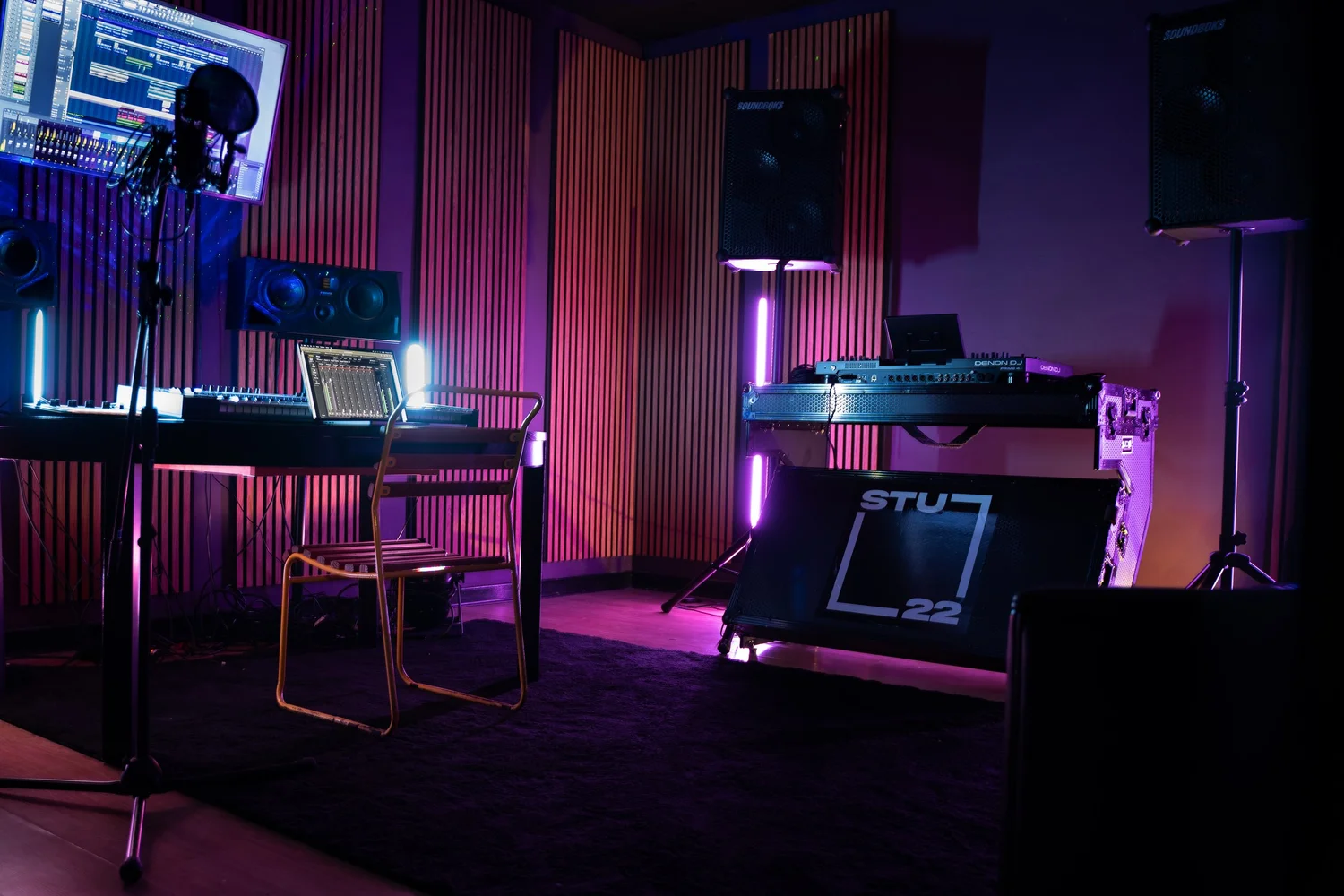
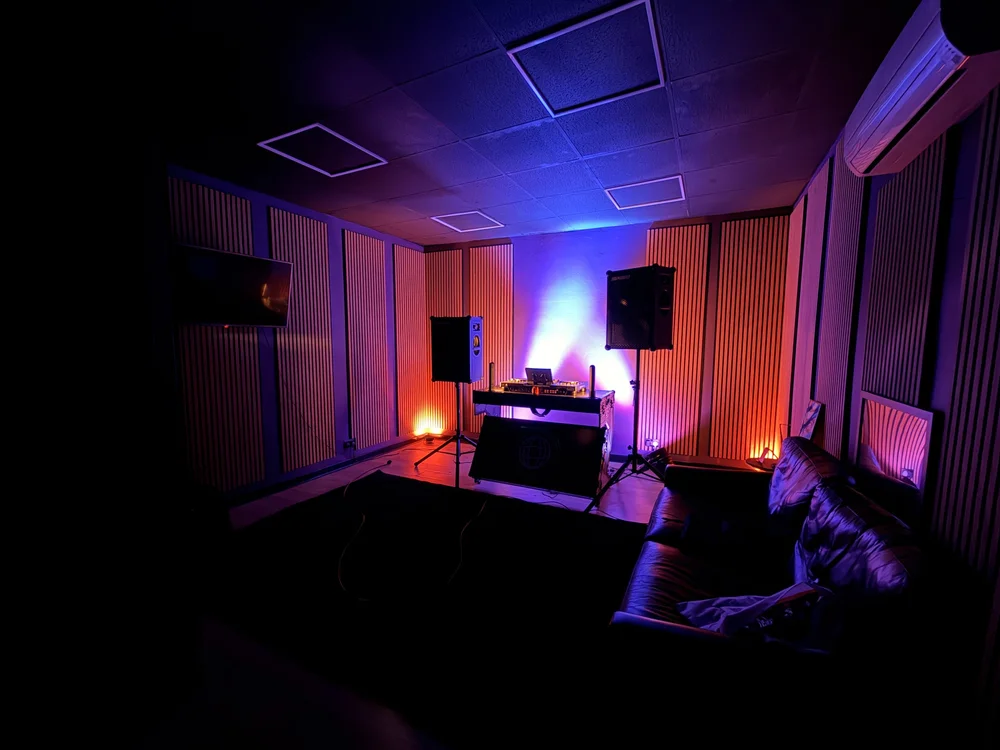
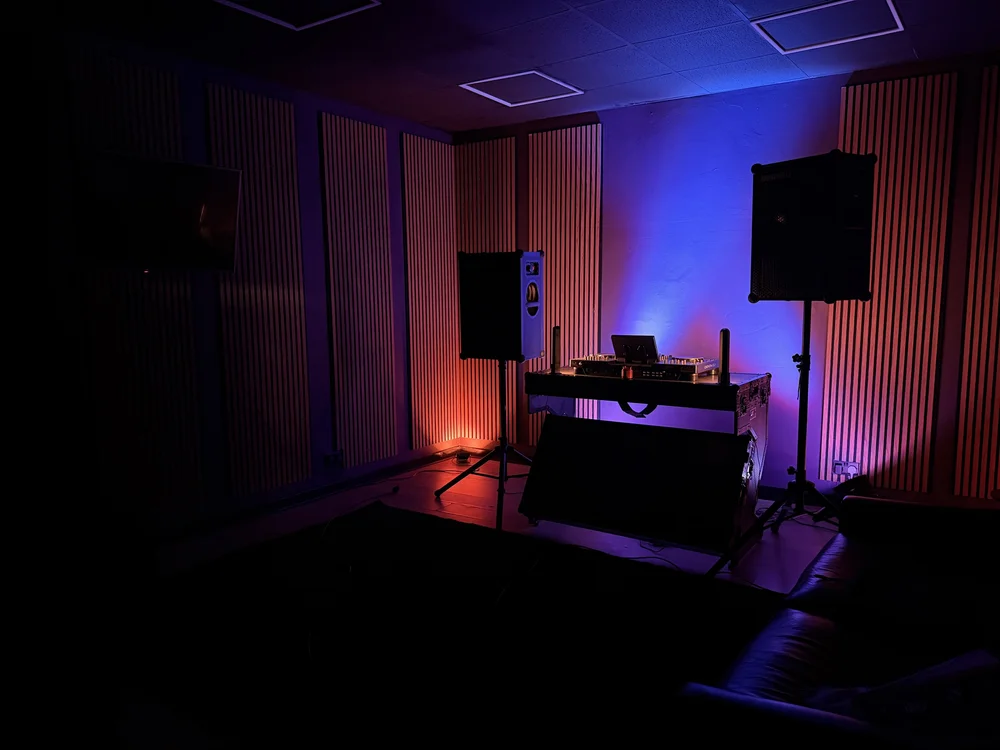
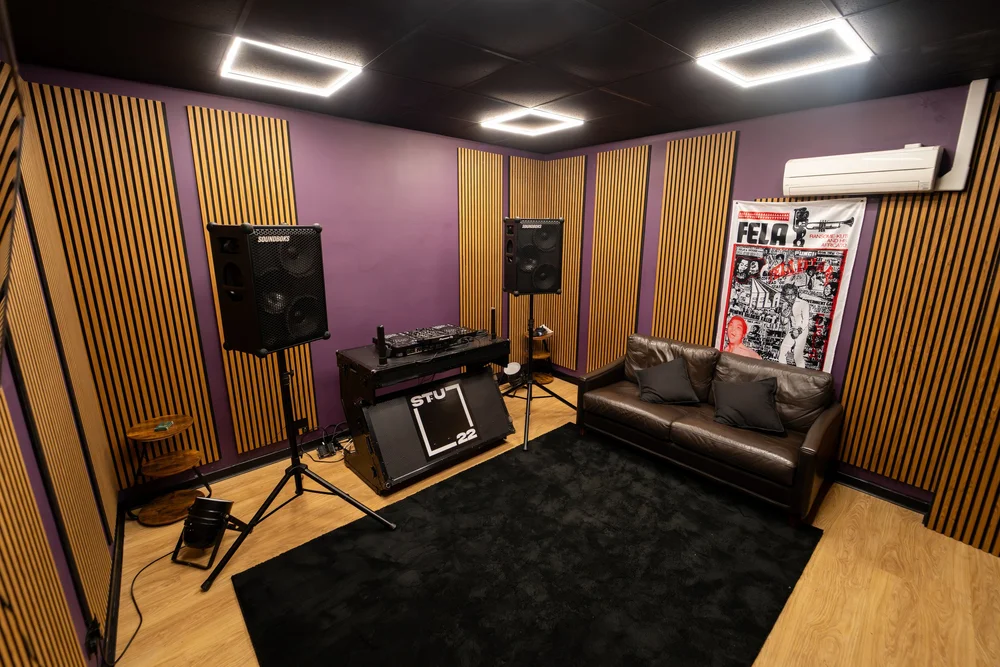
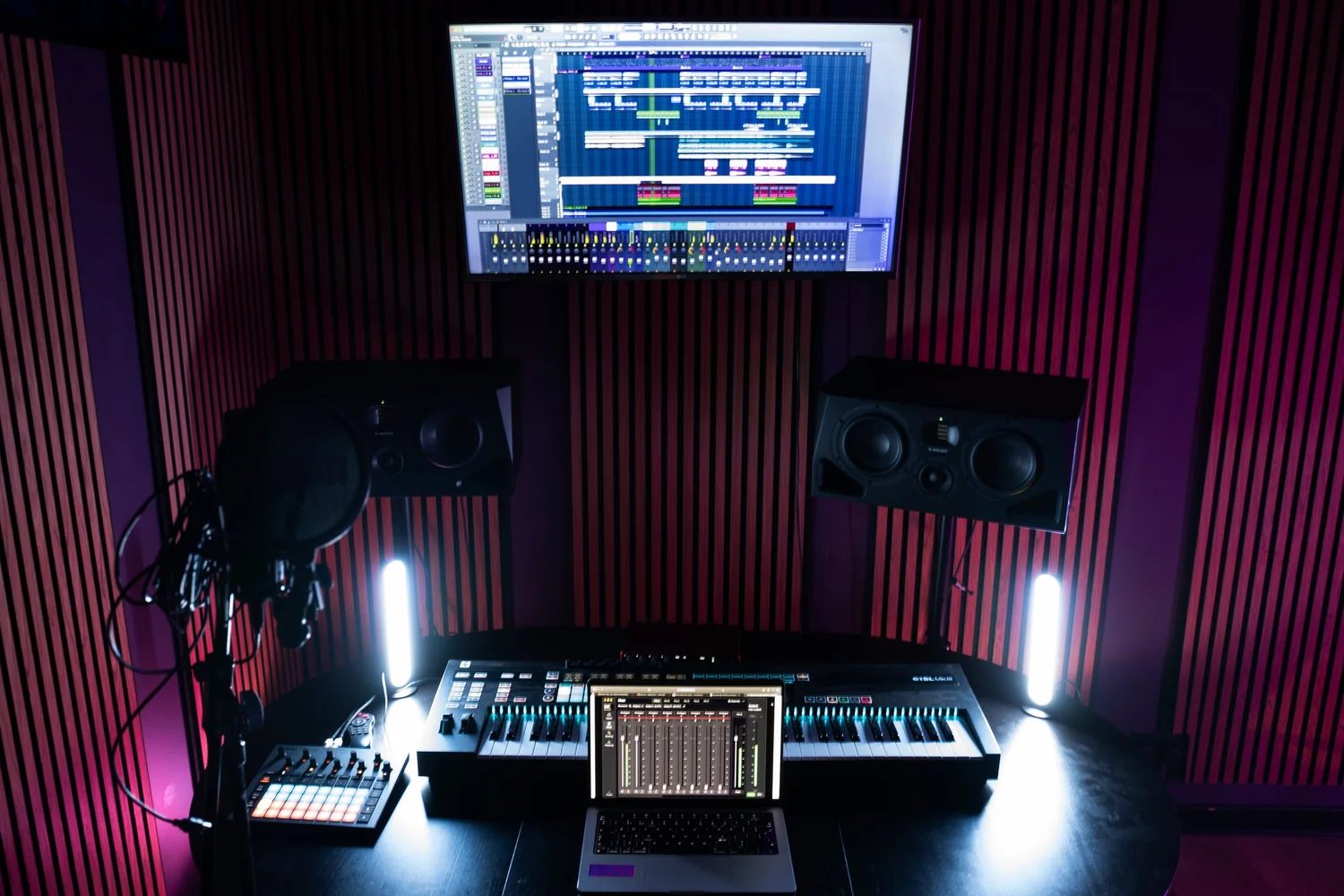
The Portal, our music room in Wapping, is a self-operated studio built in partnership with Focusrite, the first collaboration of its kind in London. The room is fully acoustically treated and sound-isolated from the rest of the building, and everything in it is included in the rate:
Focusrite Scarlett 18i16 interface, 18 in and 16 out over USB, at the centre of the room
Novation 61SL MkIII 61-key MIDI controller with a built-in eight-track sequencer
Two ADAM Audio A77H dual-woofer nearfield monitors for accurate playback and mixing
Novation Circuit Rhythm standalone sampler and groovebox, no laptop required
RØDE NT-USB condenser microphone for vocals, voiceover and podcasts
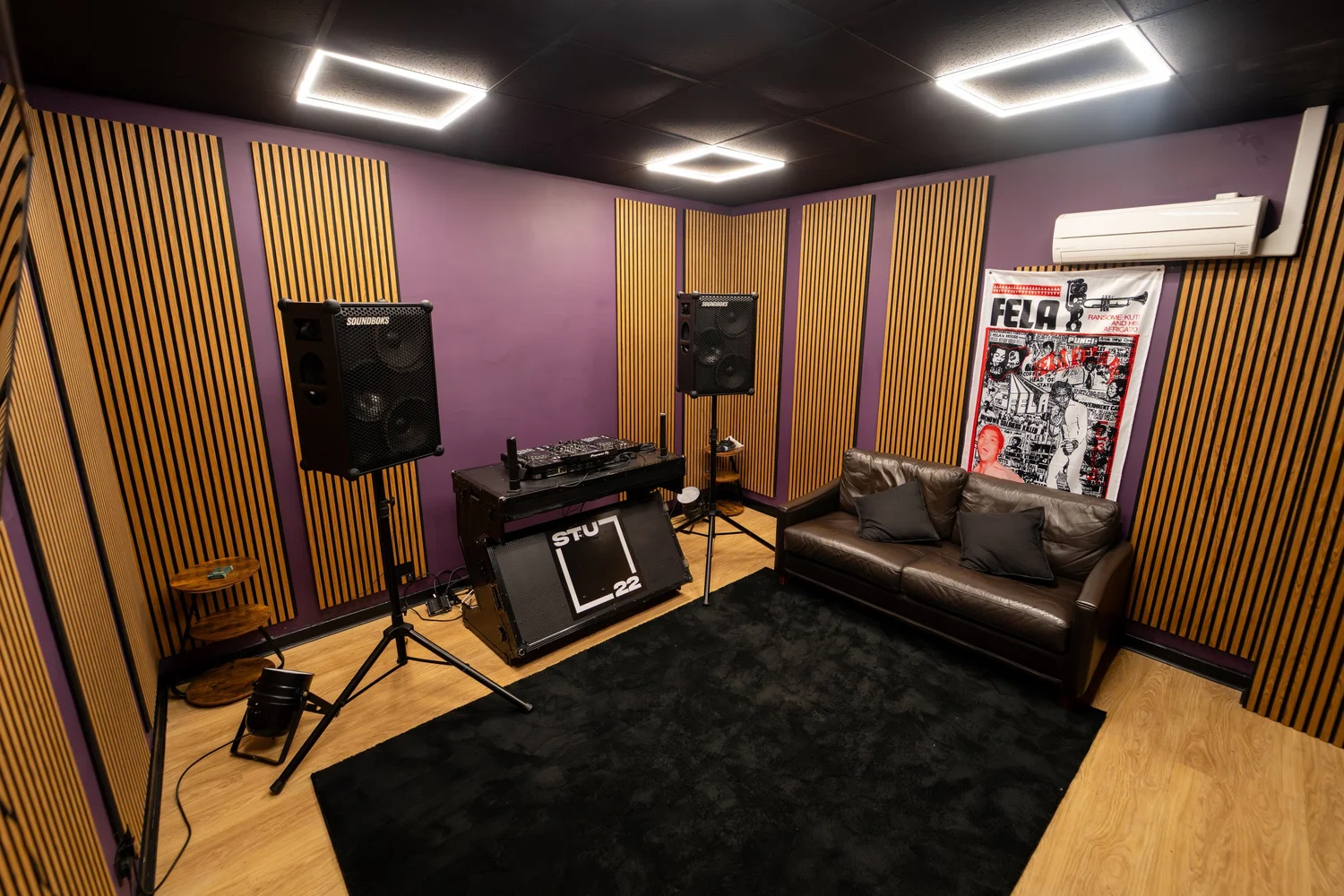
Denon DJ Prime standalone decks for sets, mix recording and livestreams
Two SOUNDBOKS Gen 4 speakers for playback at event level
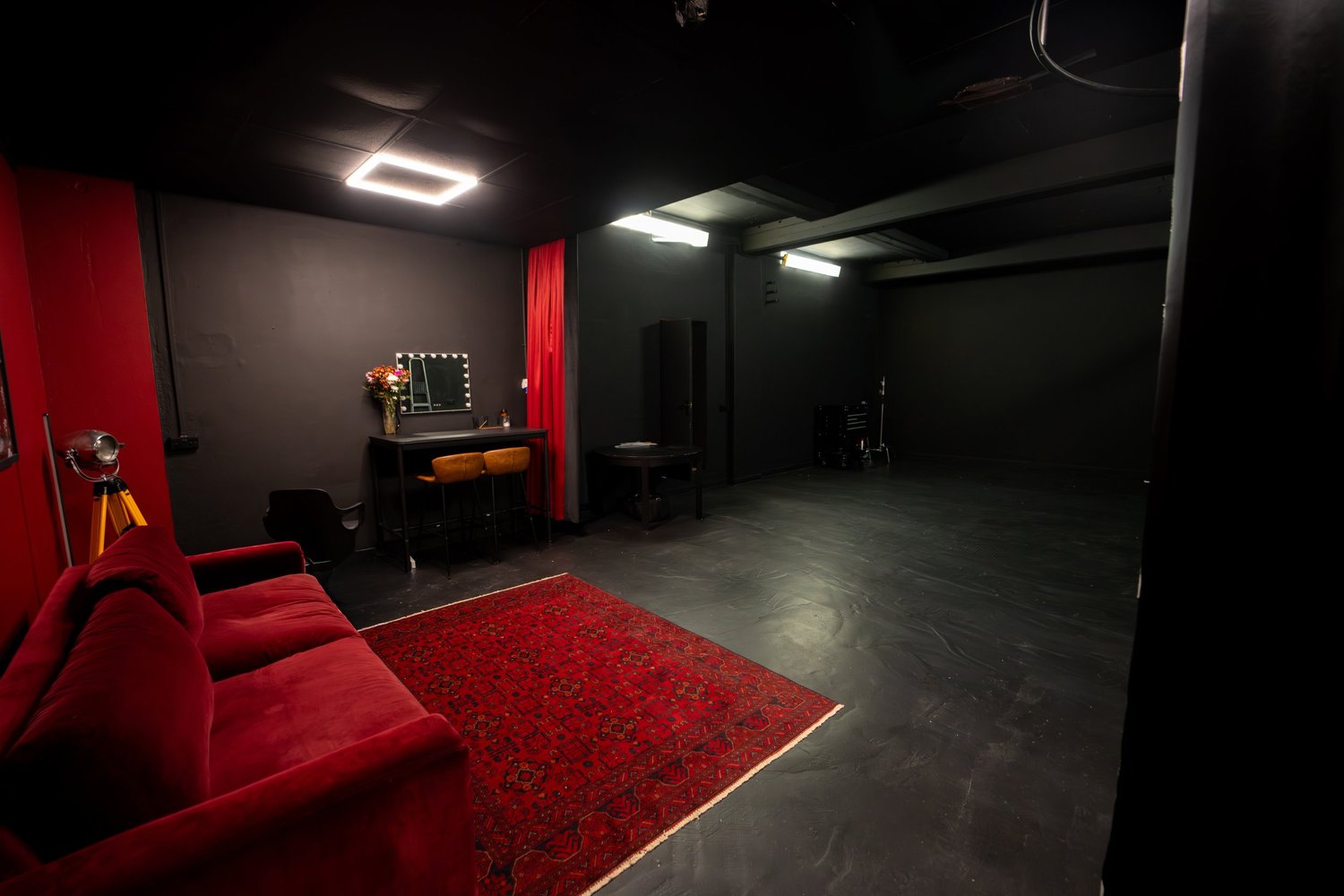
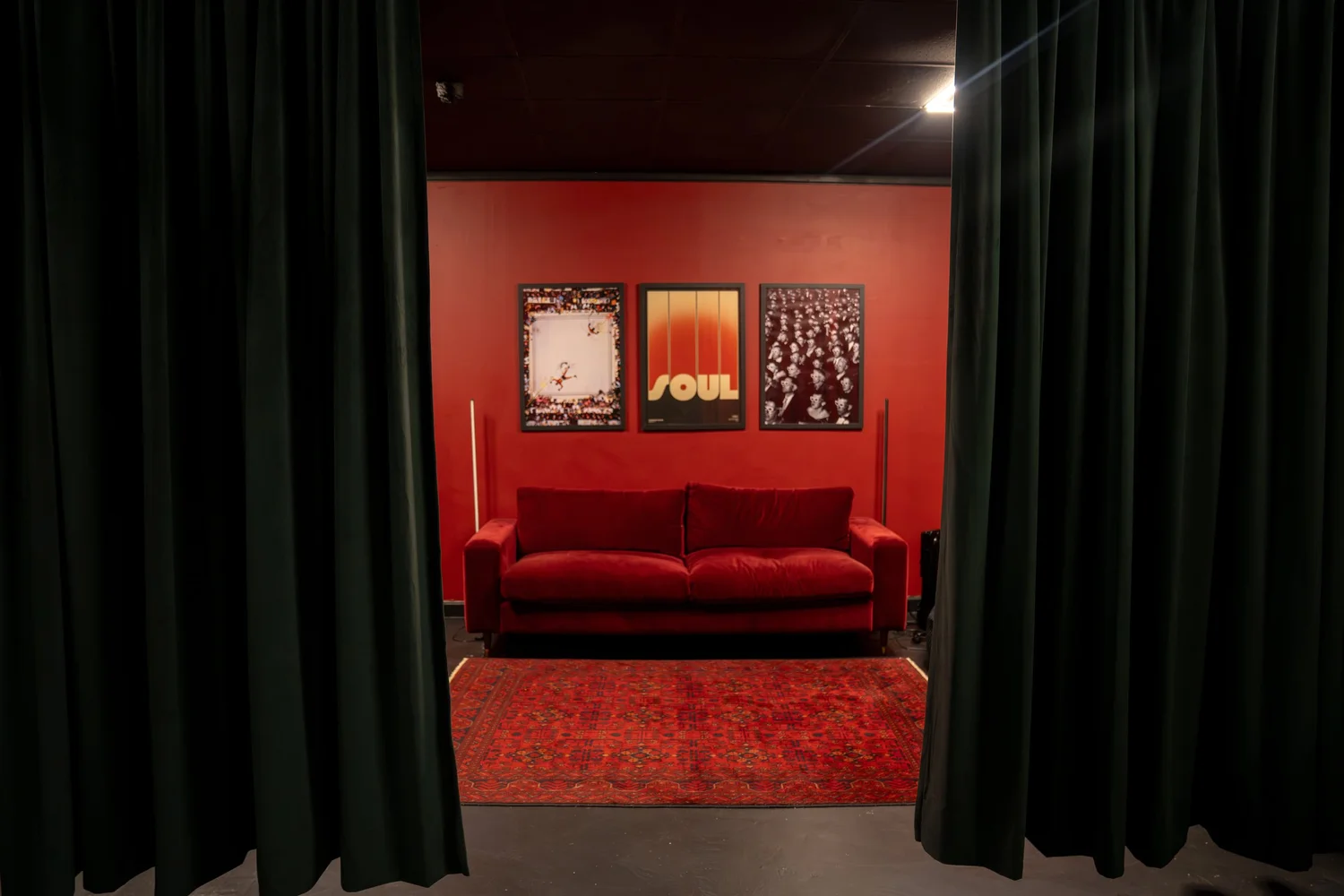
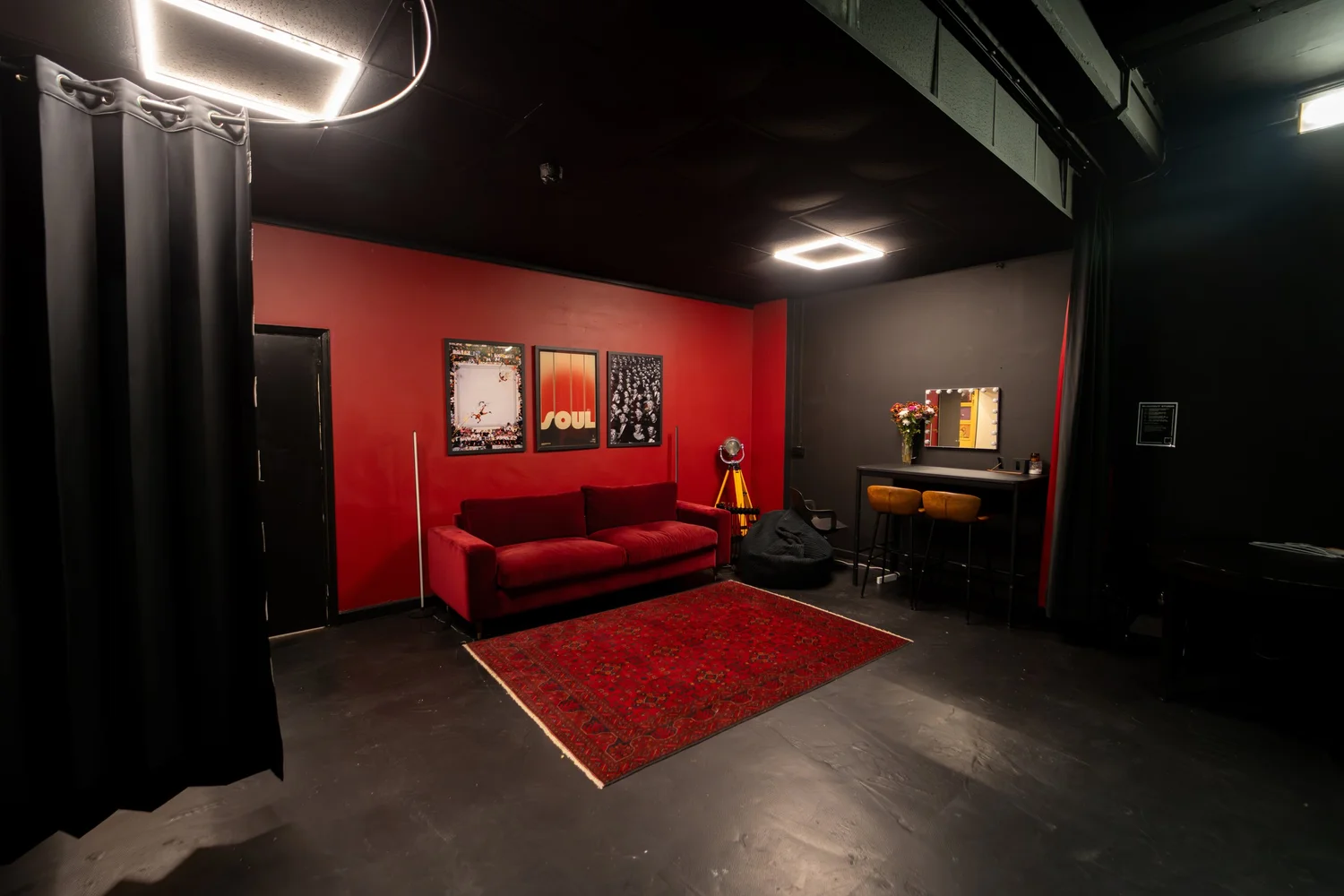
Atmospheric lighting designed for filming, a large screen for visuals, ground floor load-in and 13A sockets throughout
The rates, all excluding VAT at 20 per cent:
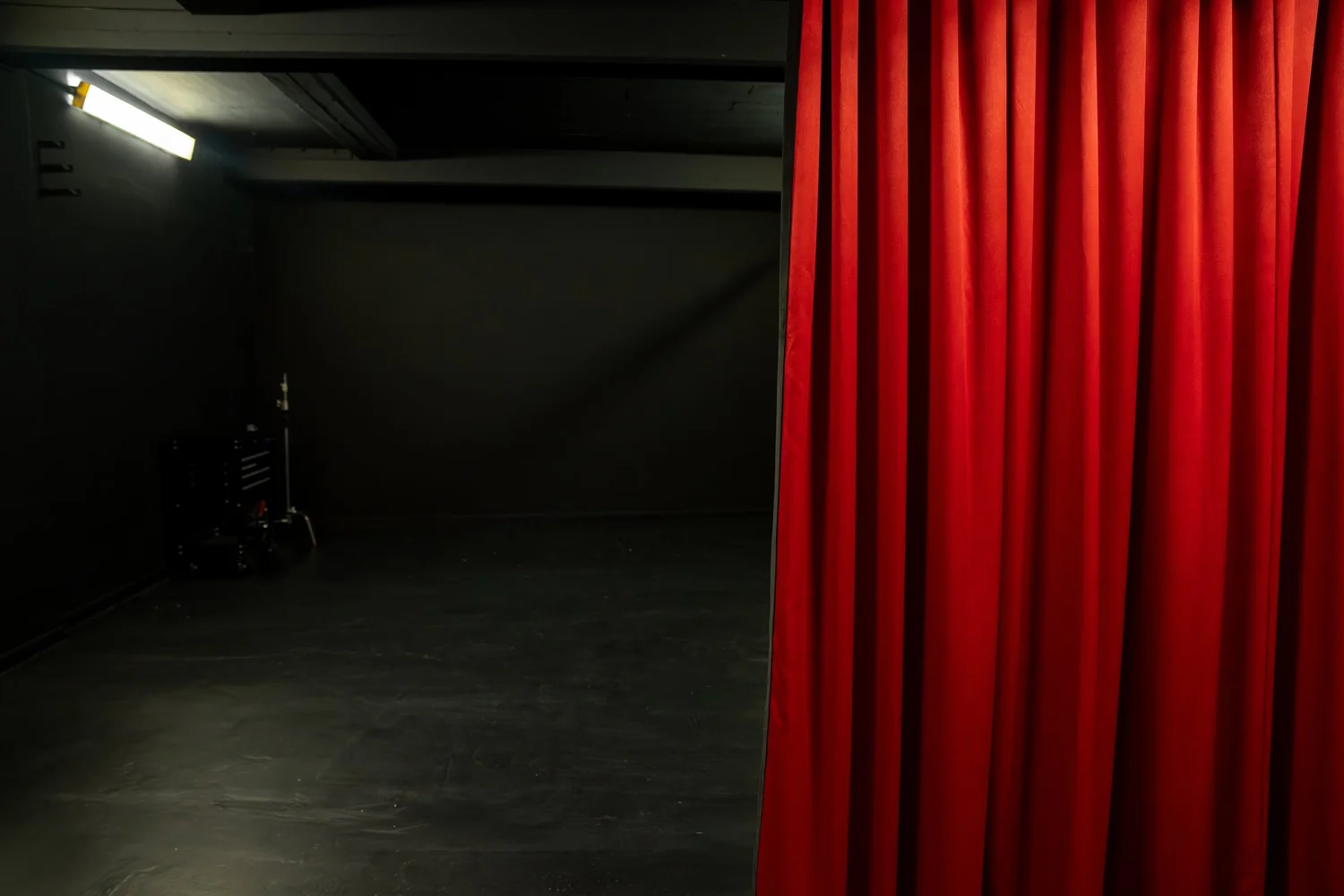
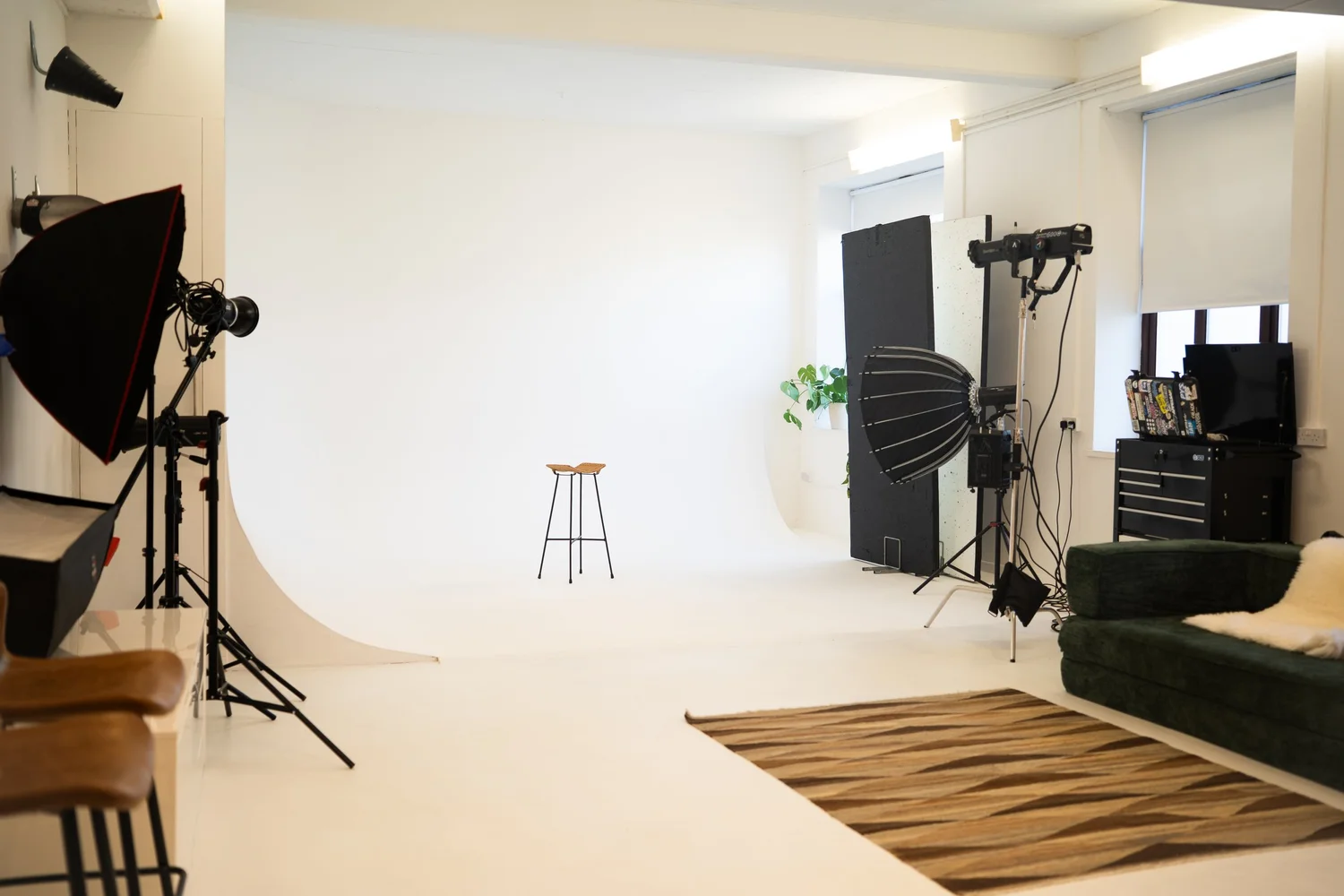
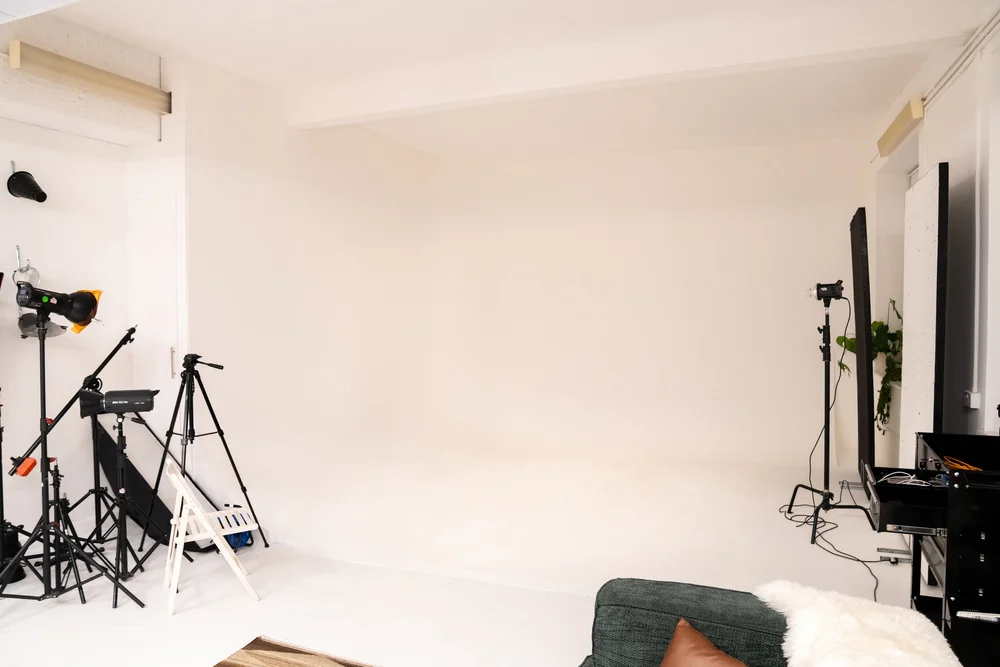
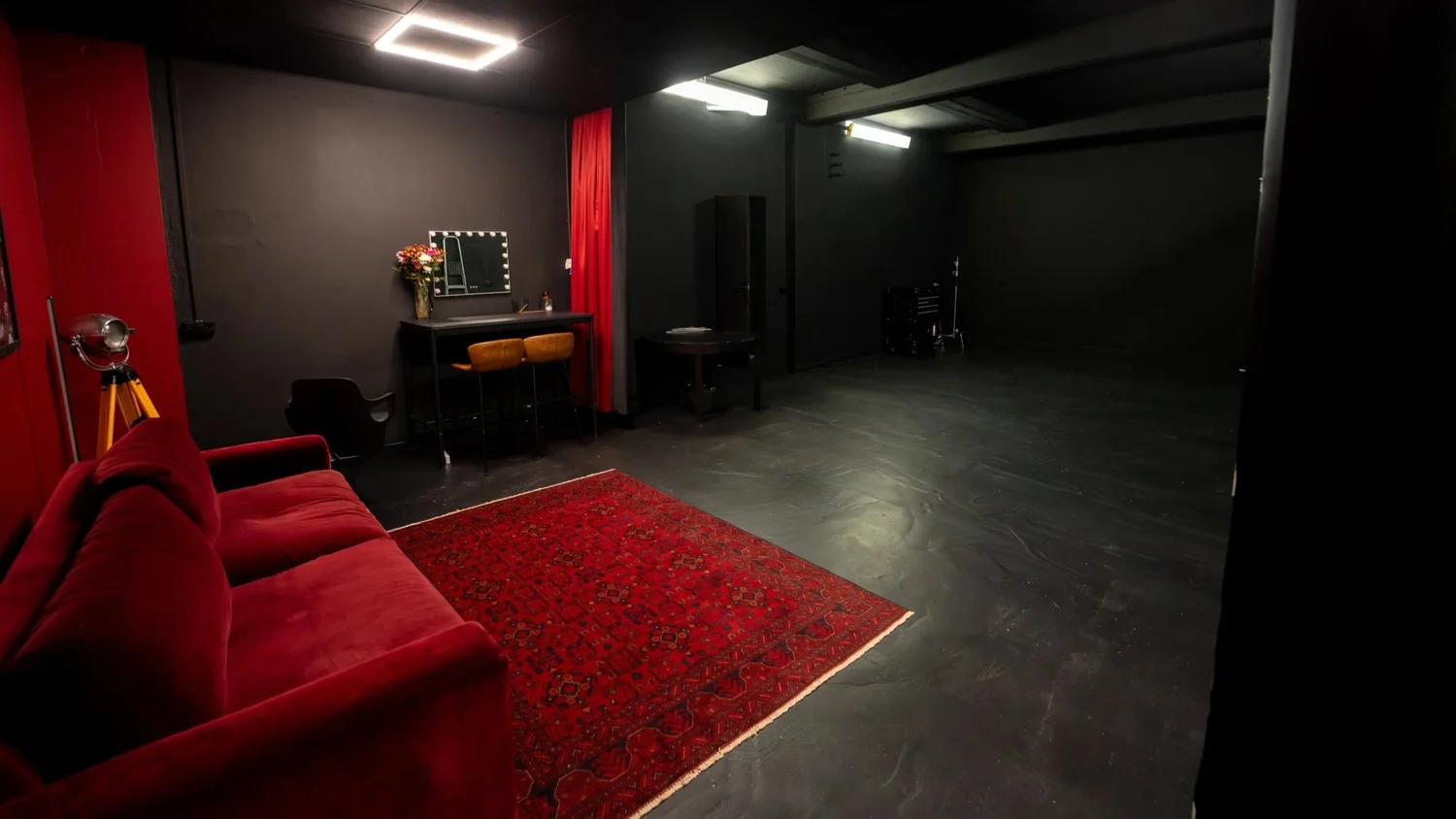
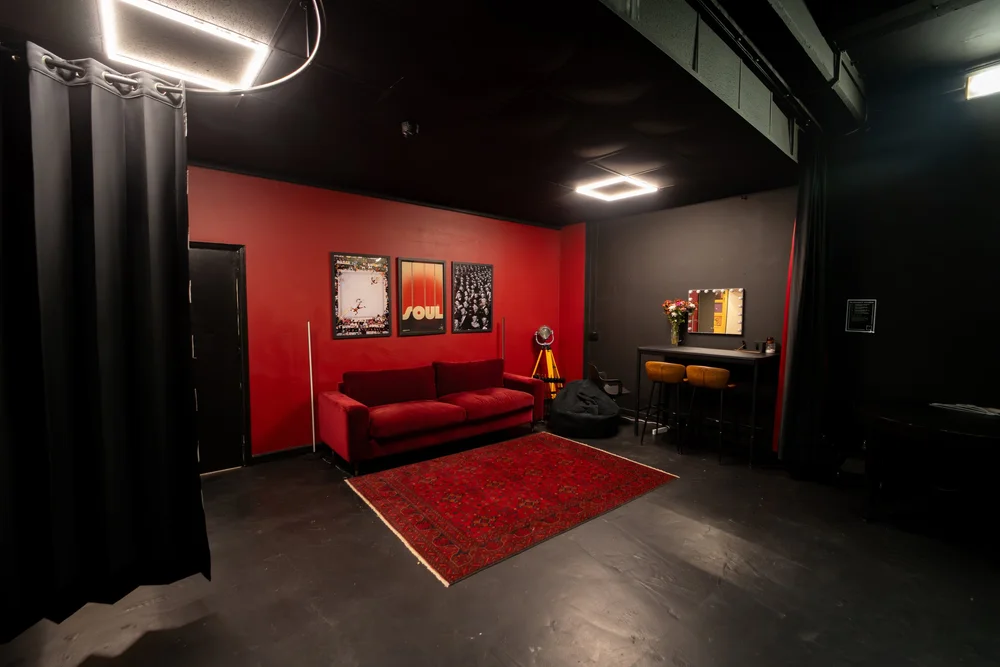
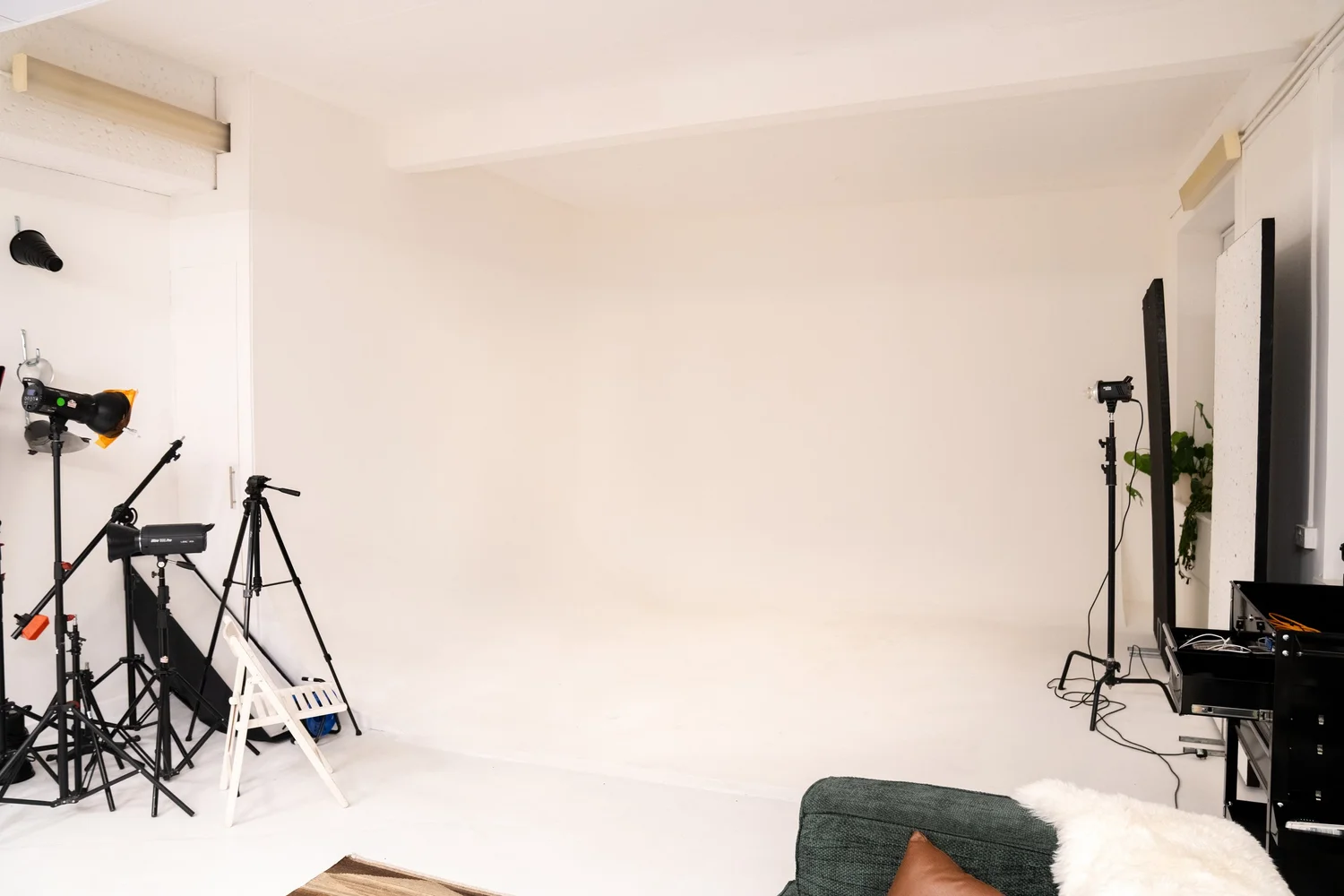
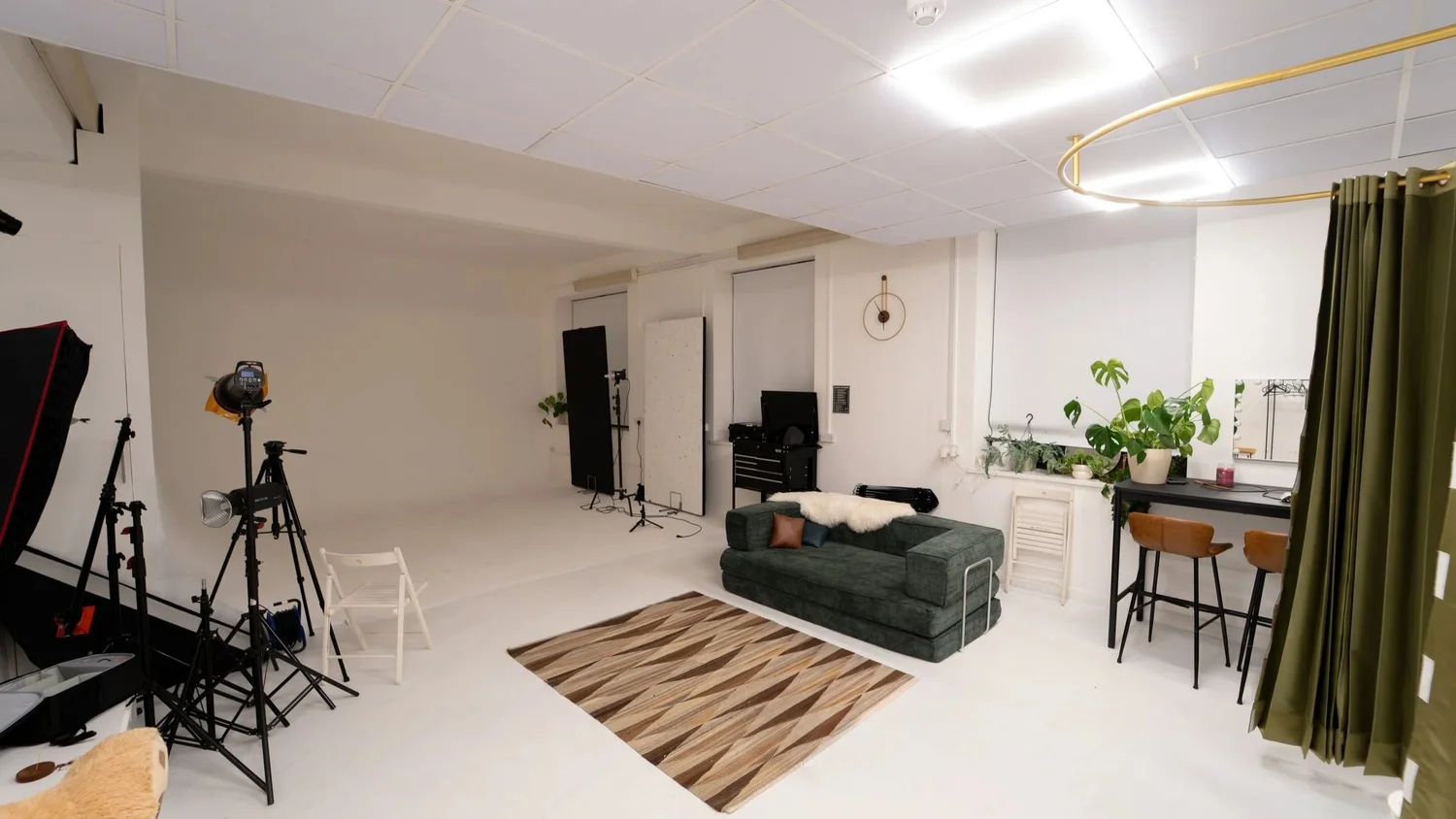
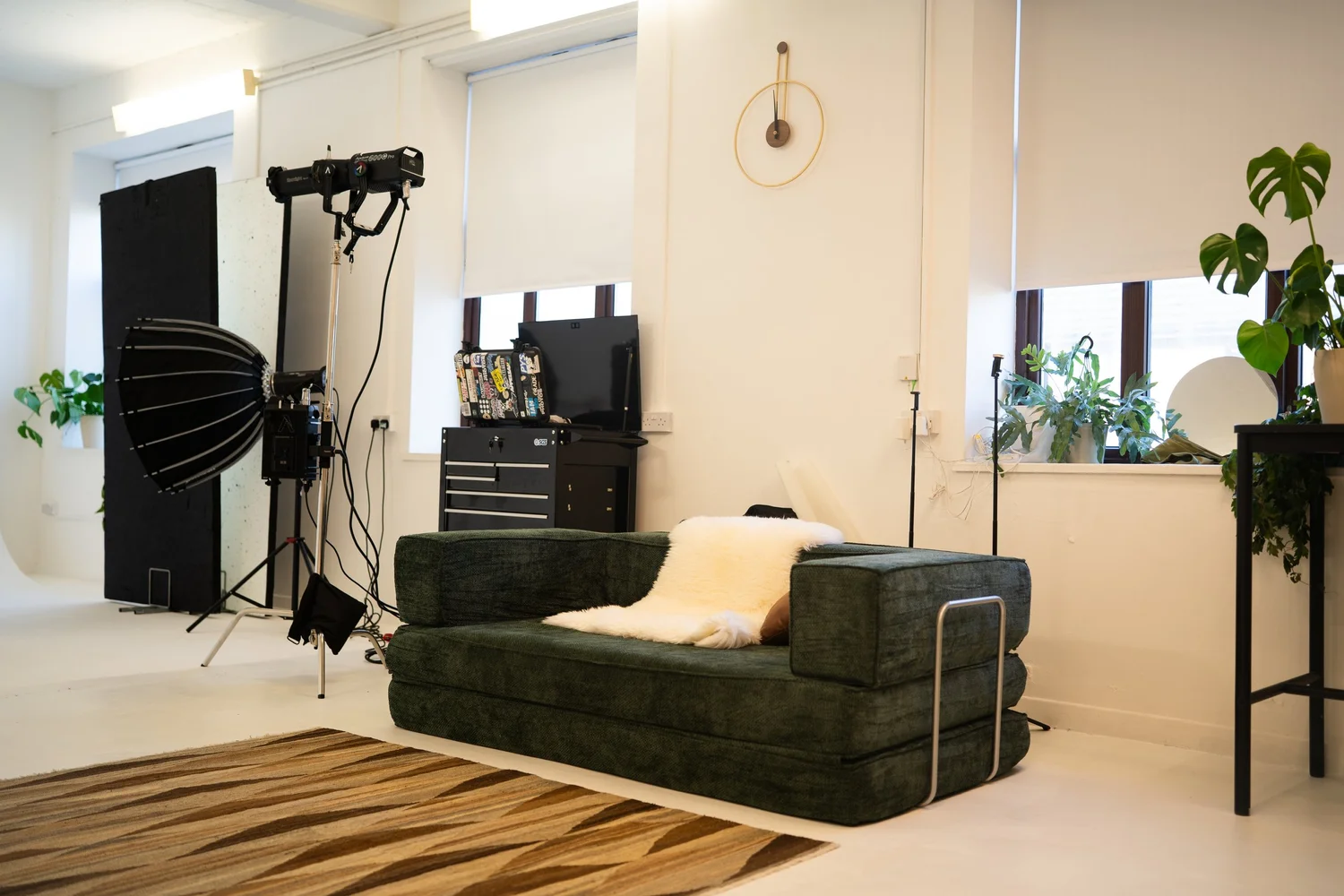
BookingRateNotesFocusrite music studio£50 per hour (£60 inc VAT)Full recording and production setup, one hour minimumDJ studio£35 per hourDenon Prime decks, filmed sets, mix recordingBoth rooms together£70 per hourRecord and film in the same sessionBlackout Studio next door£110 per hour, £400 half day, £800 full day26ft by 19ft, zero ambient light, haze-friendly, for music video and press shotsInfinity Cove next door£120 per hour, £450 half day, £850 full day16ft by 16ft seamless white cyclorama for clean cover art and press imageryMonthly retainerFrom £1,250 for 12 hoursHours valid across all three rooms, full lighting kit included
Sessions are self-operated, which is the honest reason the rate is what it is. Bring your laptop and your DAW, connect to the Scarlett over USB, and the room is yours. The Circuit Rhythm and the Denon decks run standalone if you would rather leave the laptop at home. We are open 08:00 to 22:00 seven days a week, we hold a 24-hour premises licence so overnight sessions can be arranged on request, and there is no curfew.
If you have never recorded anywhere before, start with our guide to recording your first track in London. If you want to see the room and the full rack before you book, there is a full tour of the Focusrite partner studio. And if you are still comparing options, our guide to choosing a music studio in London walks through the questions worth asking.
Frequently asked questions
How much does a recording studio cost per hour in London?
Between roughly £20 and £75 an hour for most of the market. Self-operated rooms where you run the session yourself sit at the lower end, from £20 to £60. Rooms with an engineer included run £35 to £75 an hour and usually carry a three or four hour minimum. The Portal at STU 22 in Wapping is £50 an hour excluding VAT, which is £60 including VAT, with a one hour minimum and all equipment included.
How much does it cost to record one song in London?
Budget £300 to £600 all in for a professionally finished single if you are working over a produced beat. That typically breaks down as one to two hours of studio time to track and comp the vocal, £150 to £500 for a mix, and £40 to £120 for a master. Building the beat from scratch in the room as well adds three to four hours of studio time.
Why are some London recording studios so much cheaper than others?
Almost always because of the engineer and the live room. An engineer's time is £25 to £50 an hour in London and is usually bundled invisibly into the rate. A live room big enough to track drums is expensive floor space. If your session is vocals over a beat, you are paying for neither, so a self-operated room captures the same quality for roughly half the money.
Is a cheap recording studio worse quality?
Not necessarily. A modern interface and accurate monitors in a properly treated room will capture a vocal that is technically indistinguishable from one recorded in a facility charging ten times as much. What the expensive rooms genuinely buy you is a large live room for acoustic instruments, vintage outboard character, and the expertise of the people in the building. For vocal-over-beat recording, the room is rarely the limiting factor.
Do I need to bring my own laptop to a recording studio?
In a self-operated room, usually yes. At The Portal you bring your laptop with your DAW and connect over USB to the Focusrite Scarlett 18i16. The Novation Circuit Rhythm and the Denon DJ Prime decks run standalone, so a laptop is not needed for beatmaking or DJ sessions. Engineer-led studios supply the computer and the session as part of the rate.
What hidden costs should I ask about before booking a studio?
Six things: whether the quote includes VAT, whether setup and packdown are inside your booked hours, which equipment is genuinely included rather than charged separately, what the overtime rate is after your booking ends, whether taking your session files and stems away is free, and what the cancellation terms are. Any studio that will not answer these in writing is telling you something.
Is it cheaper to book hourly or take a monthly studio retainer?
Hourly is cheaper up to roughly ten to twelve hours a month. Past that, a retainer usually wins, especially if you also need photography or video. Our Creator retainer is £1,250 a month for twelve hours at an effective £104 an hour including the full lighting kit, and the hours work across the music room, the infinity cove and the blackout stage, so recording and visual content come out of one budget.
Can I record music and shoot press photos on the same day?
Yes, and it is the single best way to cut the cost of a release. All three STU 22 rooms are in one building in Wapping, so artists regularly record in The Portal and then shoot press shots, cover art or video content next door in the Blackout Studio or the Infinity Cove in the same visit. You pay for travel, hair and make-up and crew once instead of twice.
Do London studios charge VAT on top of the quoted rate?
Many do, and it is the most common reason a budget comes in 20 per cent over. All STU 22 prices are quoted excluding VAT at 20 per cent and clearly labelled as such, so £50 an hour is £60 an hour including VAT. Always confirm which figure you have been given before you commit.
Book a session, or just ask us what it will cost
The Portal in Wapping is £50 an hour excluding VAT for the full Focusrite recording setup, £35 an hour for the DJ room, and £70 an hour for both together. One hour minimum, everything included, open seven days a week from 08:00 to 22:00. Five minutes from Wapping Overground, ten from Shoreditch and Canary Wharf.
Check availability and book now
Not sure how many hours your project needs? Message us on WhatsApp, tell us what you are recording, and we will tell you honestly how long it will take and what it will cost. If the answer is that you need a bigger live room than ours, we will say so.